 Ing
Ing
 日本語
日本語 Latine
 বাংলা
বাংলা 한국어
한국어 Tiếng Việt
 ไทย
ไทย Hrvatski
 dansk
dansk čeština
 Nederlands
 Pilipino
 Suomalainen
 Magyar
 Indonesia
 italiano
 Gaeilge
 Bahasa Melayu
 فارسی
فارسی norsk
norsk Português
 Polskie
 Română
 Slovák
 svenska
 Türk
Türk
Dobře navržený Dětská houpačka sedátka a houpací židle jsou pohodlné na sezení, když tvar sedáku správně podpírá boky a stehna, materiál zůstává pružný v rozsahu teplot a postroj nebo otvory na nohy jsou dimenzovány přiměřeně věku dítěte. Špatně vybavená sedadla jsou jednou z nejčastějších příčin stížností na nepohodlí na hřišti , protože příliš úzký nebo příliš široký sedák pro tělo dítěte vyvíjí nerovnoměrný tlak na stehna a spodní část zad během houpání.
Použitý materiál také hraje velkou roli v pohodlí za různých povětrnostních podmínek. Pevná plastová sedadla mohou být nepříjemně tuhá v chladném počasí a horká na dotek na přímém letním slunci, zatímco gumová a flexibilní polymerová sedadla mají tendenci zachovat si konzistentnější a pohodlnější pocit v širším teplotním rozsahu, podle studií odolnosti vybavení dětských hřišť provedených organizacemi pro bezpečnost venkovní rekreace.
Tvar sedáku a podpora těla
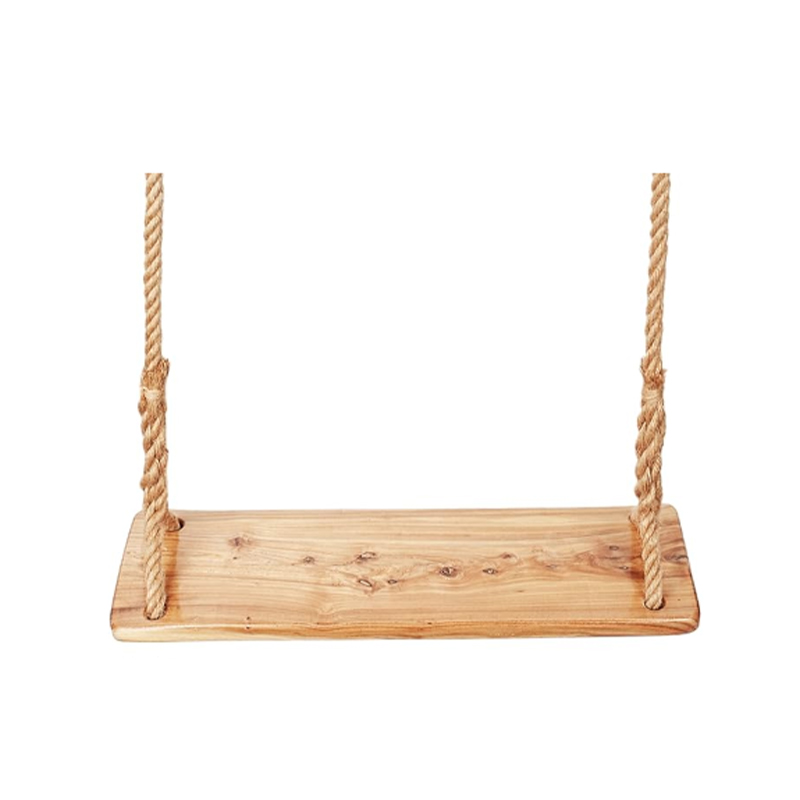
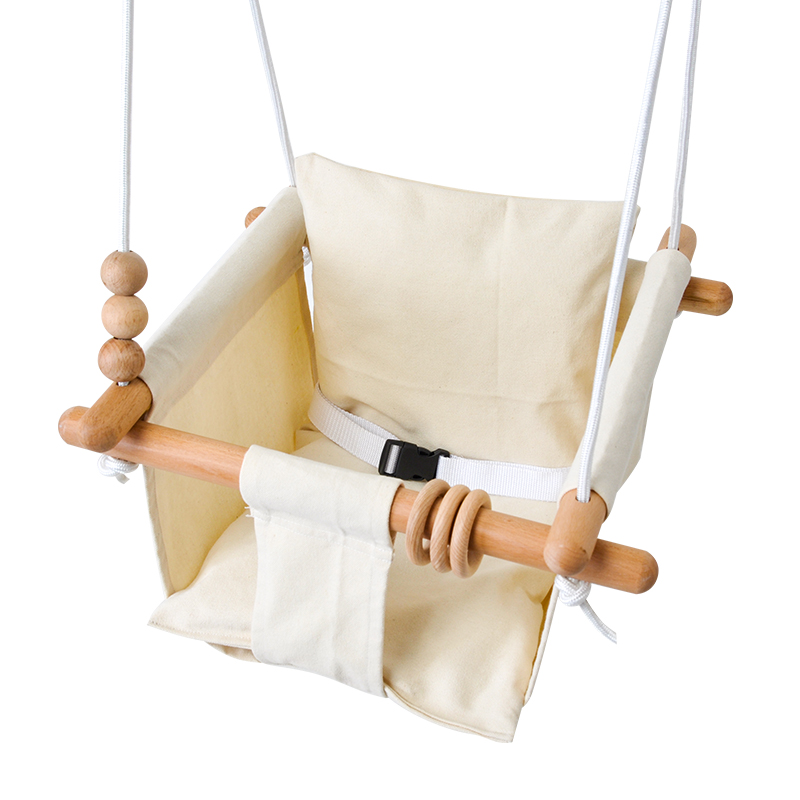
Tvar houpací sedačky přímo ovlivňuje, jak je váha během používání rozložena na tělo dítěte. Sedačky ve stylu kbelíku, běžně používané pro batolata, se obepínají kolem boků a poskytují otvory pro nohy, které udrží malé dítě v bezpečné poloze, zatímco sedadla ve stylu plochého pásu jsou navržena pro starší děti, které mohou sedět vzpřímeně a samostatně se držet.
Komfortní faktory vázané na tvar sedadla
- Zakřivená sedací část, která kopíruje přirozený tvar boků a spodní části zad
- Správně rozmístěné otvory pro nohy, které zabraňují skřípnutí nebo nadměrnému tlaku na stehna
- Zaoblené hrany podél ráfku sedla zabraňují vzniku otlaků při delší hře
- Přiměřená hloubka sedáku, aby nohy dítěte nezůstaly nepříjemně viset nebo příliš ostře ohnuté
Sedačka, která přesně odpovídá velikosti těla dítěte, má tendenci se cítit znatelně bezpečněji a pohodlněji než ta, která je buď příliš malá, což způsobuje těsnost, nebo příliš velká, což způsobuje, že dítě během houpání klouže.
Výběr materiálu a jeho vliv na pohodlí
Houpací sedadla jsou obvykle vyrobena z pryže, lisovaného plastu nebo pružných polymerních směsí a každý materiál se chová odlišně v závislosti na venkovní teplotě a vystavení slunci. Gumová sedadla mají tendenci zůstat poddajná v chladném počasí, což snižuje tuhý a nepohodlný pocit, který mohou způsobit tvrdší plasty při poklesu teplot.
Srovnání materiálů pro venkovní pohodlí
| Gumová sedadla | Zůstaňte flexibilní v chladném počasí, odolejte popraskání v průběhu času |
| Pevný lisovaný plast | Může zkřehnout v chladu a horké na dotek na přímém slunci |
| Flexibilní polymerní směsi | Vyvažte odolnost a měkčí pocit při sezónních změnách teploty |
Důležitá je také textura povrchu, protože sedátko s mírně texturovaným, neklouzavým povrchem pomáhá dítěti zůstat v pozici, aniž by se muselo pevně držet, což snižuje únavu rukou a paží během delších her.
Uchycení postroje a bezpečnostního popruhu
U houpaček pro batolata a mladší děti je postroj nebo usazení na nohy jedním z nejdůležitějších faktorů pohodlí, protože špatně nasazený postroj se může spíše zarývat do ramen nebo boků, než aby poskytoval jemnou, rovnoměrnou podporu.
Co by měl dělat dobře padnoucí postroj
- Rozložte váhu rovnoměrně na ramena a boky a nesoustřeďte tlak na jeden bod
- Nechte dostatek prostoru pro přirozený pohyb bez nadměrného uvolnění
- Používejte popruhy s měkkými hranami, které během pohybu neskřípnou a neodírají pokožku
- Snadno se přizpůsobí růstu nebo různé tloušťce oblečení v různých ročních obdobích
Ošetřovatelům se obecně doporučuje, aby před každým použitím zkontrolovali utažení popruhu, protože i dobře navržený postroj může být nepohodlný, pokud je ponechán příliš volný nebo příliš těsný vzhledem k aktuální velikosti dítěte.
Výběr sedadla odpovídající věku
Pohodlí úzce souvisí s výběrem správného typu sedačky pro věk a vývojovou fázi dítěte. Sedačka určená pro starší dítě zpravidla neposkytne batoleti dostatečnou oporu nebo pohodlí a platí to i obráceně.
| Kojenci a batolata | Celoplošné sedátko s bezpečným postrojem a vysokou opěrou zad |
| Malé děti od 3 do 6 let | Přechodové sedátko nebo menší ploché pásové sedadlo s bočními podpěrami |
| Starší děti od 6 let | Standardní ploché pásové sedadlo velikosti pro nezávislé sezení a samohoupání |
Výběr sedačky přizpůsobené věku dítěte obecně vede k znatelně pohodlnějšímu a bezpečnějšímu zážitku, protože nosná konstrukce sedačky je v souladu s tělesnými proporcemi dítěte a úrovní motorické koordinace v dané fázi.
Designové prvky, které zlepšují dlouhodobý komfort
Kromě základního tvaru a materiálu ovlivňuje to, jak pohodlné houpací sedátko zůstane po opakovaném používání a letech vystavení venkovnímu prostředí, několik konstrukčních detailů.
- Materiál odolný vůči UV záření, který zabraňuje zkřehnutí nebo nerovnoměrnému vyblednutí v průběhu času
- Hladké tvarované okraje bez odhalených švů, které by se mohly otírat o pokožku
- Drenážní otvory nebo větrací mezery, které zabraňují hromadění vody po dešti
- Vyztužené upevňovací body řetězu nebo lana, které udržují stabilní, rovnoměrný houpavý pohyb
Výrobci vyrábějící Dětská houpačka sedátka a houpací židle , jako je Yongxu, navrhují své produkty s ohledem na tyto dlouhodobé komfortní funkce, jejichž cílem je zachovat konzistentní pocit ze sedadla, ať už je zcela nové nebo se používá venku několik sezón.
Znamení, že sedátko houpačky může vyžadovat výměnu
Ani pohodlné, dobře navržené sedadlo tak nezůstane donekonečna. Rozpoznání časných známek opotřebení pomáhá udržovat pohodlí i bezpečnost dětí, které zařízení pravidelně používají.
- Praskání nebo lámání materiálu sedadla, zejména po vystavení chladnému počasí
- Roztřepená nebo natažená ramínka, která již nedrží svůj původní tvar
- Vybledlá nebo křídová povrchová struktura, která může naznačovat degradaci materiálu UV zářením
- Viditelné opotřebení v místech připevnění řetězu nebo lana
Okamžitá výměna opotřebovaného sedadla nejen zachová pohodlí, ale také sníží riziko neočekávaného selhání materiálu během aktivní hry.